Emergency readiness works best when families and caregivers create the plan together before it is needed. A nanny should know the household’s expectations, the children’s medical needs, and exactly how to respond when a parent cannot be reached.
Create a written family emergency plan
Keep a current copy in an easy-to-find place and make sure every authorized caregiver can access it. Include:
- Parents’ phone numbers, backup contacts, pediatrician information, and the home address.
- Each child’s allergies, medications, health conditions, insurance details, and preferred hospital.
- Signed medication authorization and allergy or emergency action plans when needed.
- Evacuation routes, two reunification locations, and plans for fire, severe weather, power outages, and sheltering in place.
- School or daycare pickup rules and approved adults.
- Instructions for pets, mobility needs, medical equipment, and other household-specific concerns.
Review the plan whenever contact information, medications, schedules, or authorized adults change. Ready.gov’s planning resources provide useful templates and checklists.
Maintain training and supplies
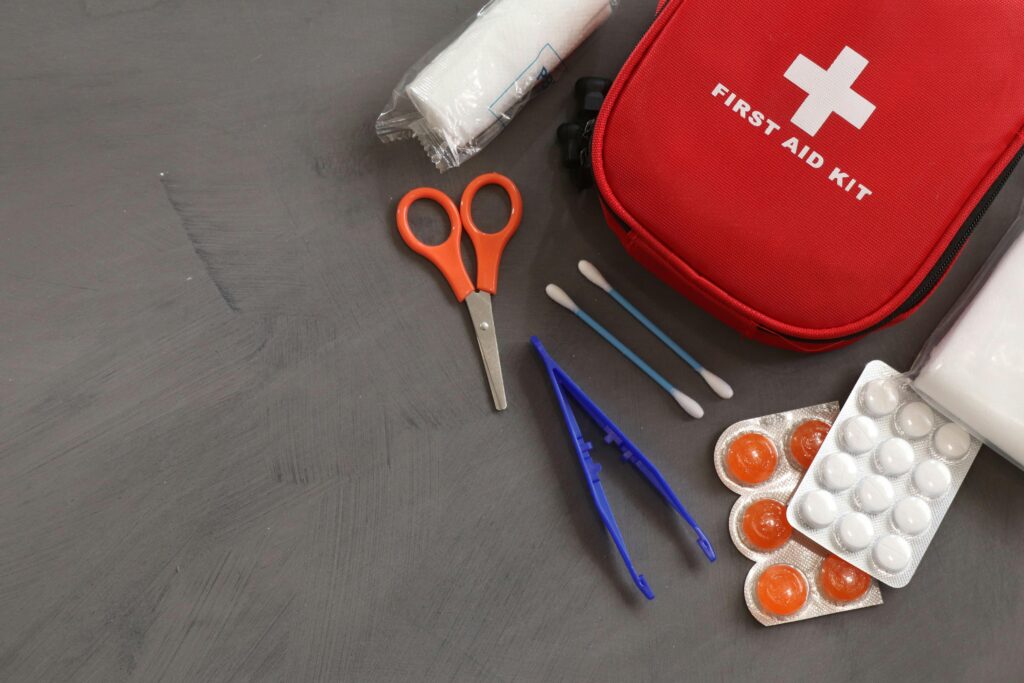
Parents and nannies should keep age-appropriate first-aid and CPR training current. The American Heart Association offers CPR and first-aid course information, including pediatric options. Store first-aid supplies where the caregiver can reach them quickly but children cannot, and check expiration dates regularly.
A practical go-bag may include water, shelf-stable snacks, required medications, copies of essential information, a flashlight, batteries or a power bank, weather-appropriate clothing, diapers if needed, and comfort items. Supplies should reflect the children’s ages and Triangle hazards, including severe storms, hurricanes, flooding, extreme heat, and winter weather.
Receive local emergency alerts
Make sure emergency alerts are enabled on caregivers’ phones and sign up for local county or municipal notifications where available. ReadyNC explains North Carolina emergency alerts, weather radio, and local alert options.
Plan for safe access and transportation
A nanny needs a reliable way to enter and secure the home. Families should document how to use locks, alarms, garage access, emergency shutoffs, and any lockbox—without sharing codes beyond people who genuinely need them. Identify trusted nearby adults and confirm what they are authorized to do.
Keep car seats properly installed, vehicle fuel or charge adequate, and emergency items accessible. Agree in advance on who may transport the children, where they should go, and how reunification will work.
Teach age-appropriate safety skills
Children can learn their full name, address, caregiver phone number, how and when to call 911, and which trusted adults may help. Practice short, calm drills without frightening them. Avoid relying only on “stranger danger”; teach children to recognize unsafe behavior, seek a trusted adult, and tell a caregiver when something feels wrong.
During an emergency
- Call 911 first for an immediate threat to life or safety.
- For a possible poisoning in the United States, call Poison Control at 1-800-222-1222 or use Poison Help; do not wait for symptoms or induce vomiting unless instructed.
- Follow the written plan, give children clear directions, and move away from danger.
- Contact parents after urgent safety steps are underway, then provide concise updates.
- Document what happened, care provided, contacts made, and follow-up instructions.
- Restock supplies and review whether the plan needs to change.
Build a dependable long-term care team
Learn about our placement process, read the family FAQ, or start a Triangle family application.
Last reviewed August 2026. This article provides general preparedness information and does not replace emergency, medical, or public-safety instructions.